By Bodhita Sen
As a young person discovering cinema, I remember experiencing a deep sense of anguish and loss when Jack chose to let go of the door so that Rose could survive. “There was enough room for both of them!!”, my friends and I cried out- still coming to terms with the fate of our beloved character. Yet, if Jack’s fate changed- it would not be Titanic, a legendary movie- but a different story entirely. We would never have the epic superhero battle in Avengers- Endgame, if Thanos had not vaporized the lot of them in the previous instalment. Fans have yearned for alternative endings of cult classic movies- something that was only possible through remakes or special edition Director’s cut versions- till now. Alas, since the advent of AI- such a thing has become a possibility.
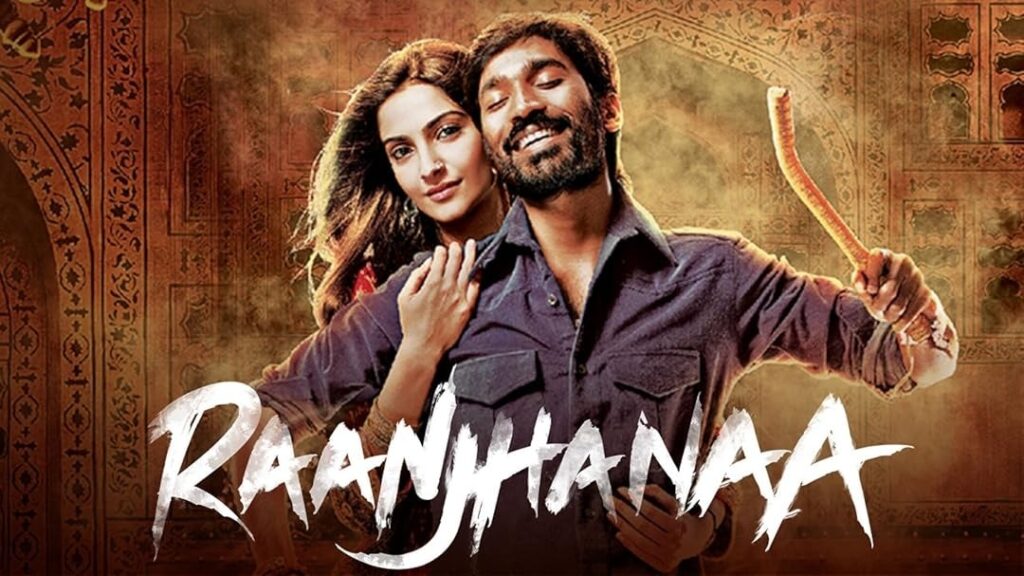
AI has transformed filmmaking. From being used in pre-production to conceptualize storyboards and concept art to aiding editing with face-tracking features in post-production- AI is helping in saving a tremendous amount of time and resources. Earlier this year, on August 1, 2025, Raanjhanaa was re-released in theatres with an AI- generated alternative ending or as it was publicized- the happy version. The creative team involved in the making of the original film have come out and called it an “artistic vandalism” stating further that they were completely blindsided by the news. Although, the original team received a lot of support- both from industry insiders and the audience, the lack of any legal recourse in this matter due to the vacuum that still exists in the The Copyright Act, 1957 (hereinafter “the Act”), because of the exclusion of film directors from holding an independent copyright over the films they direct. This has reignited the age-old debate of ‘authorship v ownership’ of copyright over films between producers and film directors.
Under the Act, the authorship rights of a cinematographic film belong to the producer- a fate shared by another common law country- the USA. This stems from the earlier understanding of motion pictures, inherited from the UK Copyright Law, where the financier of the project was the author. This is of course a limited understanding of cinema, as it stands today. Yes, it is a collective effort made by many creators but it is grounded by the vision and leadership of the film director. The film director is involved in all phases of the production of the film- guiding his fellow creators, step-by-step, from script to screen, towards the fulfilment of the vision, i.e., the final cut of the film- that only he can see in his mind’s eye.
In spite of having such a pivotal role in the movie-making process, directors don’t have an independent copyright in the films they make. Over the years, many veteran directors have put on the producer’s hat, in order to escape this fate; however, the plight sealed by the statute continues to affect other directors who have not made this switch.
There was an attempt made to include the principal director of a cinematographic film as a co-author with the producer in 2010, but it was rejected by the Parliamentary Standing Committee (hereinafter “the Committee”). Among other things, it was reasoned that- like the USA, India, too, had a well-functioning system of mutual contracts in place that balanced the competing economic interests of the multiple stakeholders involved in movie-making, which made the proposed amendment redundant. What the Committee failed to consider were the moral rights of the authors that are elusive to the film directors as their creative contribution remains legally unacknowledged to this day.
Film directors in India don’t have the same collective bargaining powers as their American counterparts. The Directors Guild of America has negotiated a well-structured ‘Basic Agreement’ that safeguards the authorship rights of their members, due to the lack of statutory proclamation of authorship rights residing solely with the producers. As the producers and film directors stand on an unequal footing in India, the contracts between them are generally service agreements of a “work for hire” nature, meaning the director is an independent contractor of the producer and hence, owns no authorship rights over the film.
Such conditions make it doubly important for the directors to negotiate their contracts with the film producers in order to secure their artistic vision and intellectual labour. In the absence of industry-wide minimum standards that have been negotiated via collective bargaining, securing the moral rights of the director is of utmost importance. Moral rights of an author include- 1. The right to paternity; and 2. The right of integrity/dignity; meaning, the right to claim maker’s credit of the film; and the right to prevent the film’s distortion, mutilation or modification which would harm the director’s honour and reputation. It is this second right that would prevent the producer from modifying the film by, say, altering its ending, as done in case of Raanjhanaa. Unfortunately, the absolute waiver of moral right is frequent in film contracts.
The producer is responsible for the financial aspects of filmmaking and the overall artistic responsibility for making the film and its final cut lies with the director while making the most optimal utilisation of the resources available to him. The director has the right to be clearly credited as the ‘director’ of the film during the opening and closing credits, as well as in the marketing and any other materials published in connection to the film. The producer holds the exclusive distribution rights related to the film. Through their contract, the right to receive royalty on the profits made through such distribution and further exploitation (if any) can be negotiated for the director- beyond their directing fees- mirroring the statutory entitlements of authors of literary works under the Act.
The director will have the sole right to decide upon the final cut of the film, and no alterations or cuts may be made to it without his express consent or consultation. In case the producer decides to make any derivative work of the original film- such as, a sequel, spin off, adaptation, etc.- the director should be firstly credited as the director of the original film; and secondly, be consulted regarding the making of such derivative work as the case may be. The inclusion of such clauses would safeguard the artistic vision of the director.
For now, a well negotiated contract is the sole way forward. So, the next time a director enters into a service contract with a producer, it is important to include the aforementioned clauses as this will allow the director to have some functional authorship rights with respect to the film in question that would protect them from being excluded from major decisions taken by the production after the film has been made. It is true that the negotiation landscape is tilted in the favour of producers in India but,, the tides are turning for the better and mutual contracts, if used strategically, can be a powerful tool to empower film directors in India.
As “Attorney for Creators” we are dedicated to providing such a platform to channel their legal right. Feel free to reach out to us legal@attorneyforcreators.com